Tonnara is the Italian word for the tuna factories where fishermen used to bring and process their tuna catches.


At least one photo a day
Tonnara is the Italian word for the tuna factories where fishermen used to bring and process their tuna catches.
At least one photo a day


At least one photo a day
At least one photo a day


At least one photo a day

At least one photo a day
At least one photo a day
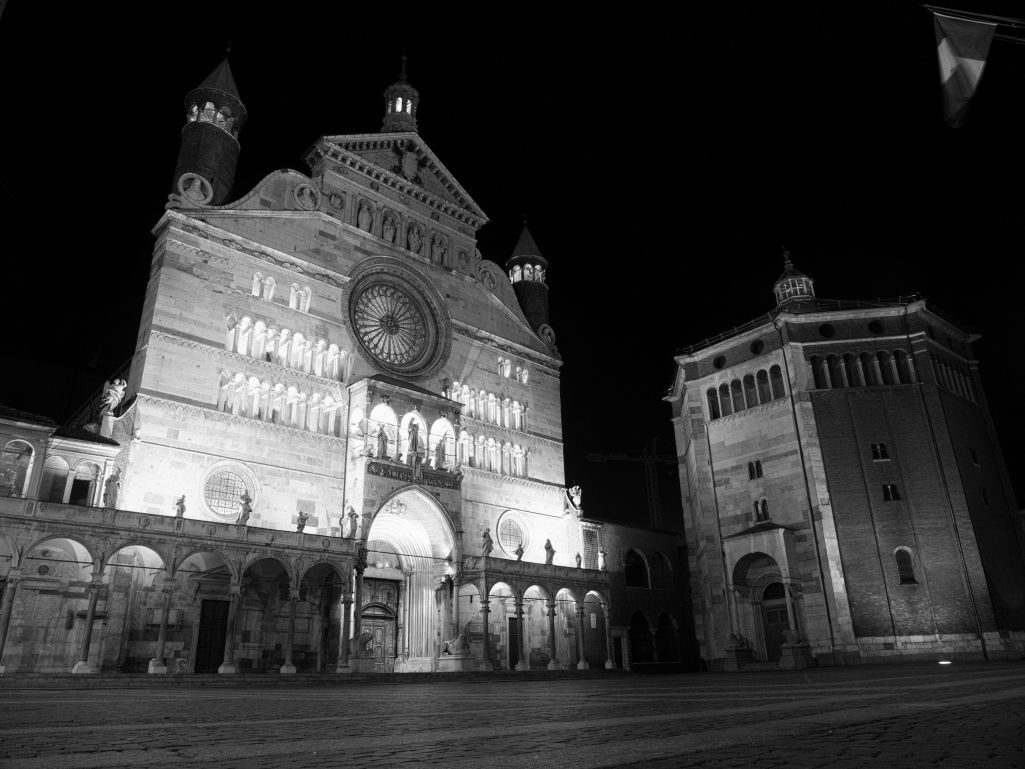
It is summer—night time. The air is humid. It is warm. I cycle downtown. I try not to hurry too much, but I am a bit nervous. I turn left in Via Mercatello. I see the lights on at the bar at the corner. I recognise some people who stand on the sidewalk in front with a glass in their hands. I reach the end of the road, turn right and see the back of the cathedral. I get to the main square and slow down but do not stop. I make large loops on the cobblestones of the piazza. Then another one. I stop in front of the Bertazzola. One foot on the ground. The other is on the pedal. I see people standing outside the bar under the arches of the municipality. Young couples sit on the steps of the Cathedral not far from me. They whisper to each other. I feel the heat of the day which was trapped in the stones of the piazza and is now freeing itself. This is the middle of the summer.

At least one photo a day
Originally built in Romanesque style, the cathedral has been restored and extended several times, with Gothic, Renaissance and Baroque elements. Construction began in 1107, but the works were damaged and halted after an earthquake in 1117. Construction resumed in 1129, and the building was probably finished in 1160-1170. The main altar, dedicated to the city’s patron saints Archelaus and Himerius, was consecrated in 1196.Façade
The current façade was probably built in the 13th and the early 14th century. In the same period the arms of the transept were also added: the northern in 1288 and the southern in 1348 (Wikipedia)
At least one photo a day
Originally built in Romanesque style, the cathedral has been restored and extended several times, with Gothic, Renaissance and Baroque elements. Construction began in 1107, but the works were damaged and halted after an earthquake in 1117. Construction resumed in 1129, and the building was probably finished in 1160-1170. The main altar, dedicated to the city’s patron saints Archelaus and Himerius, was consecrated in 1196.Façade
The current façade was probably built in the 13th and the early 14th century. In the same period, the arms of the transept were also added: the northern in 1288 and the southern in 1348 (Wikipedia)

At least one photo a day
