
Blue morning
Blue morning at Kookoos Nest, Zamboanguita, Philippines
Blue morning
Blue morning at Kookoos Nest, Zamboanguita, Philippines
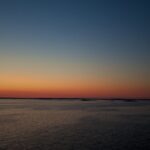
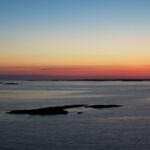
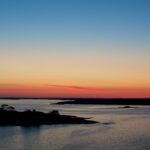
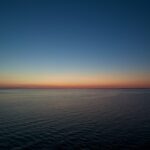
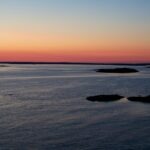
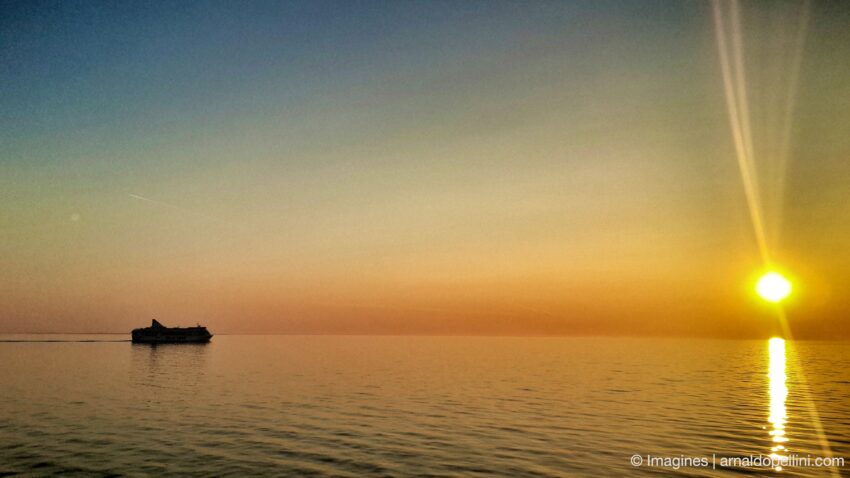
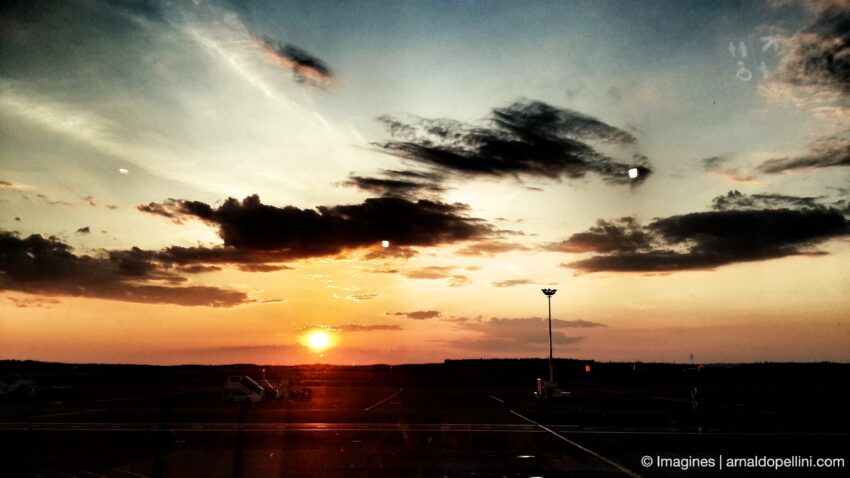
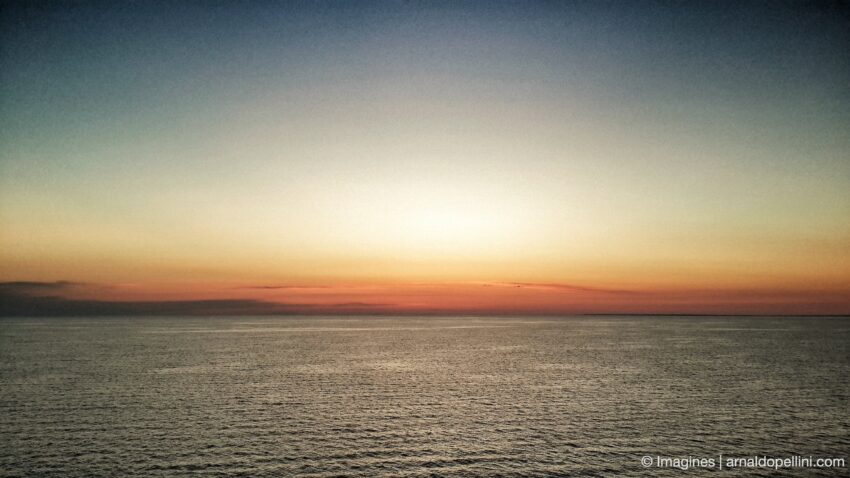
The last stage of our summer trip last July has been a ferryboat ride from Stockholm to Helsinki. We left Sweden at about 4pm and by sunset we arrived at the Åland islands. Not a single cloud. The colours were incredible.
Dedicated to my Zia Antonietta.
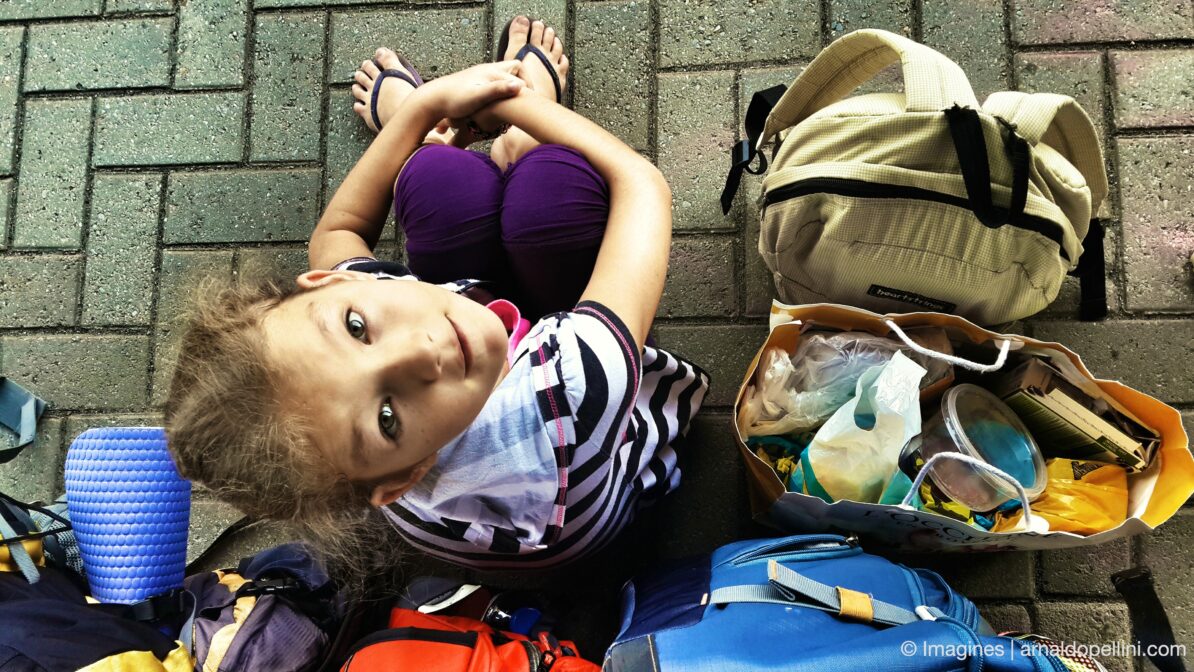
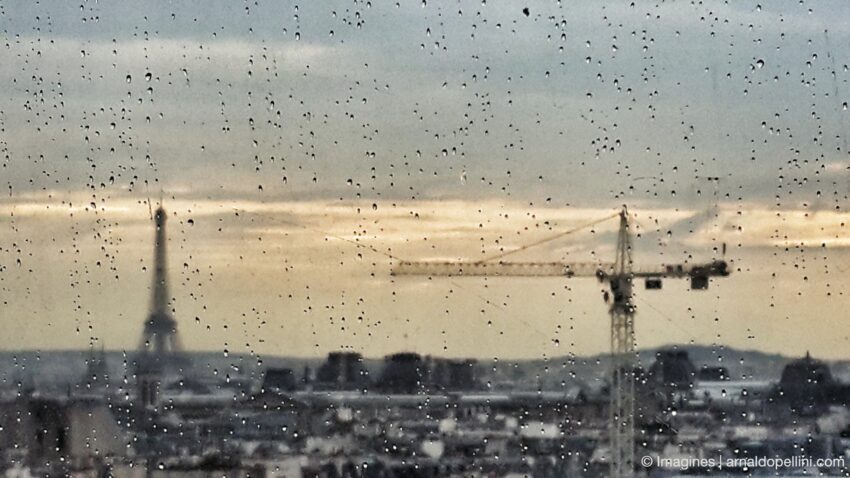
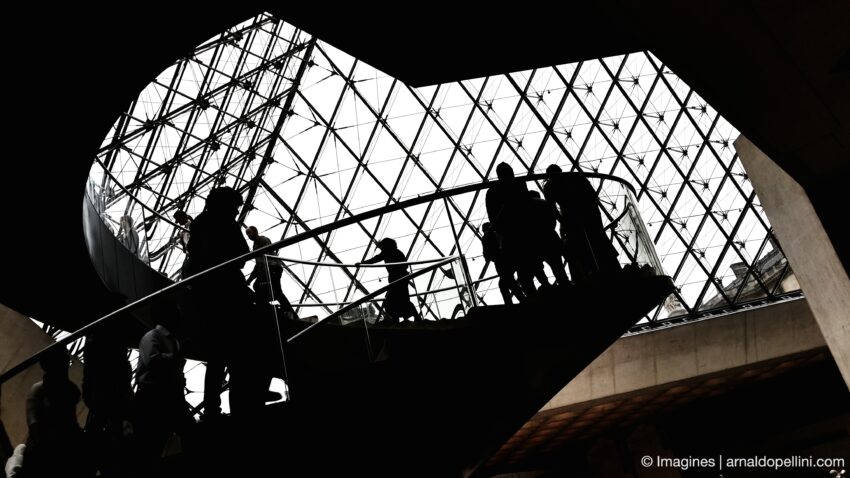
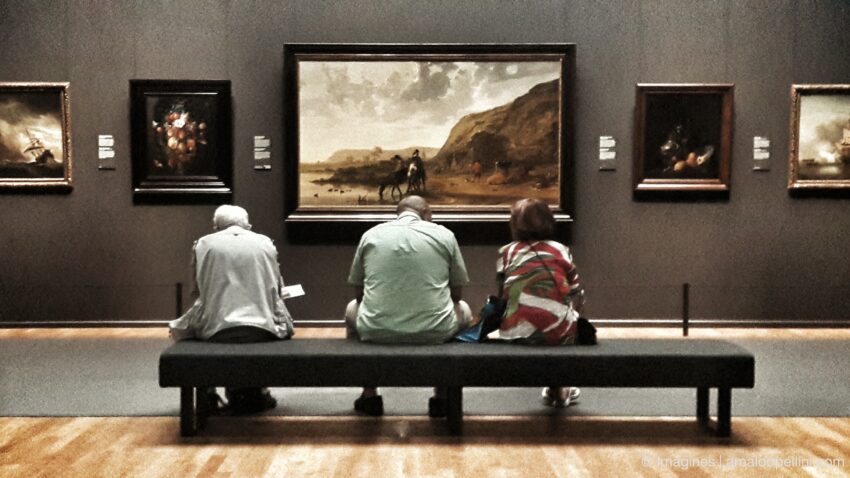
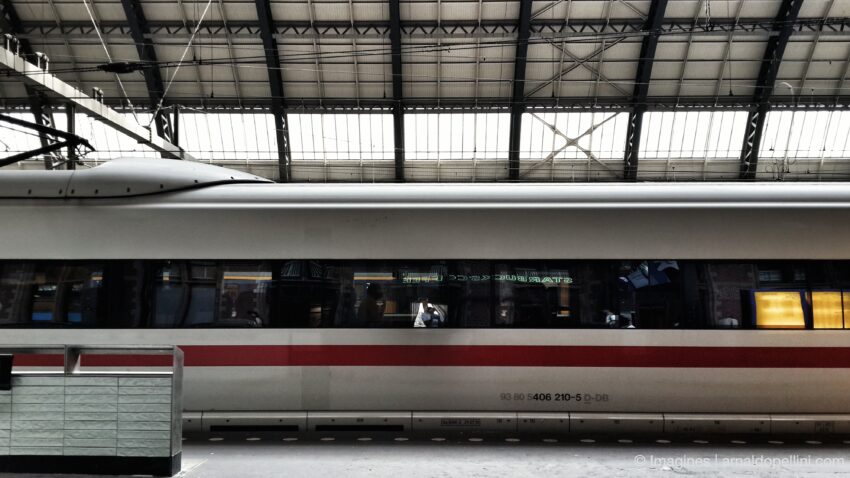
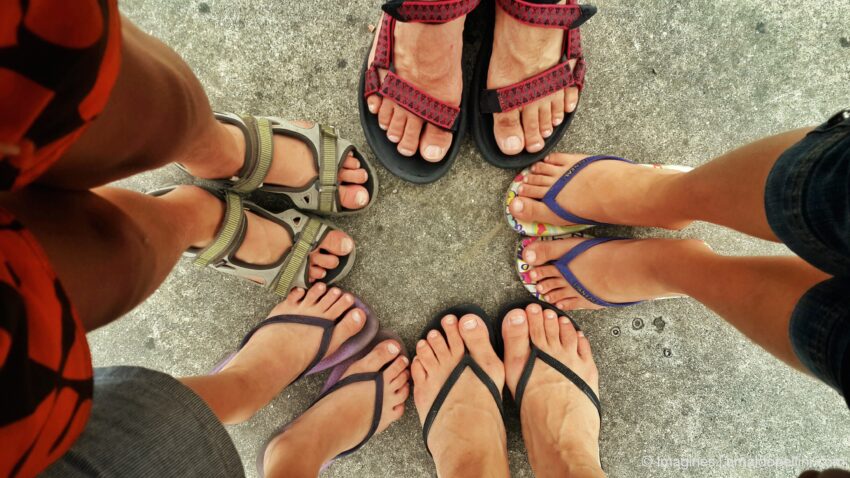
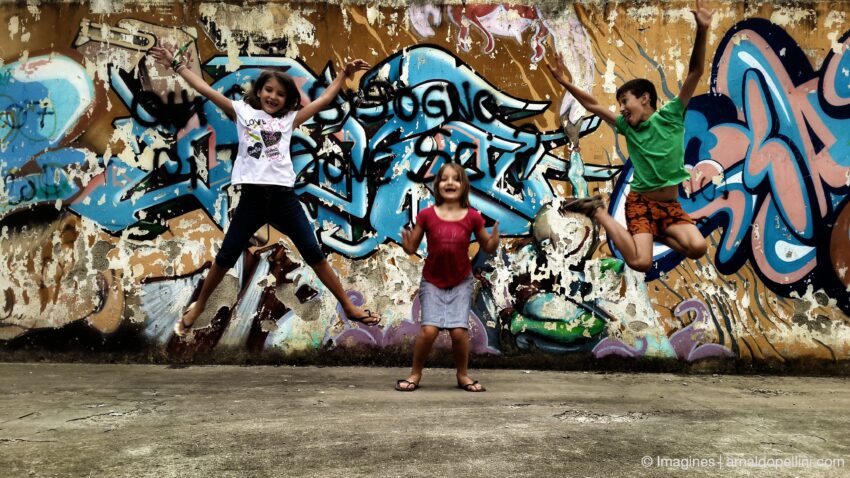
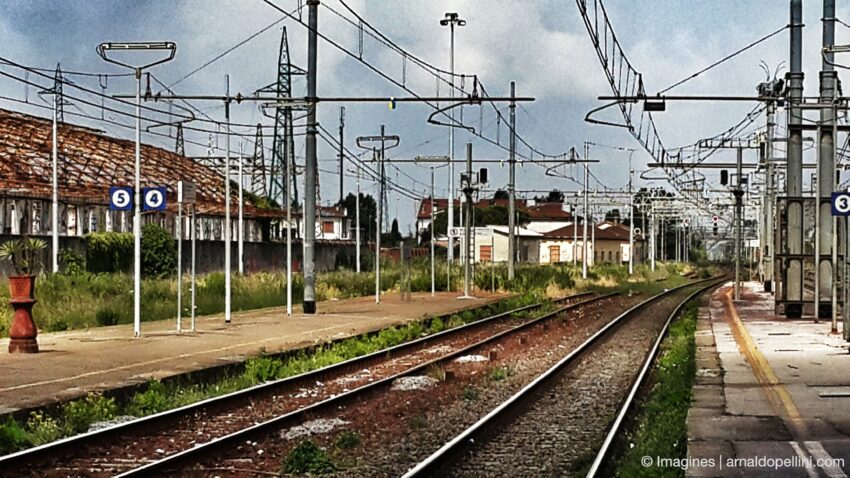
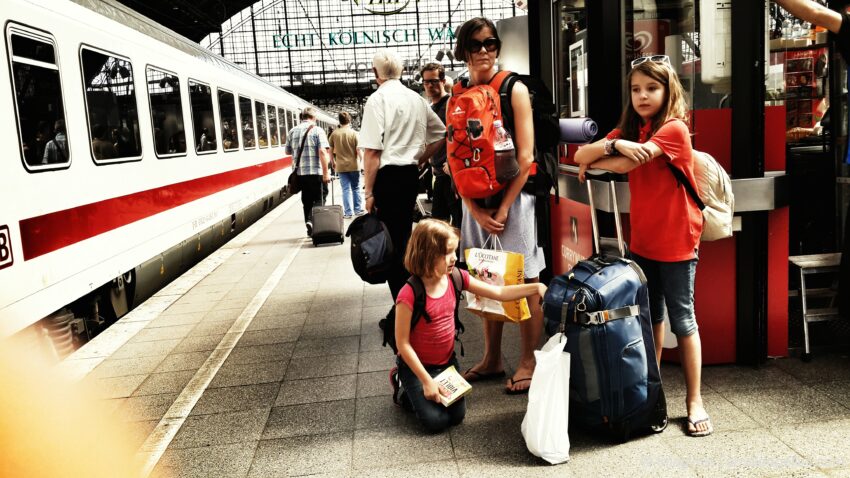
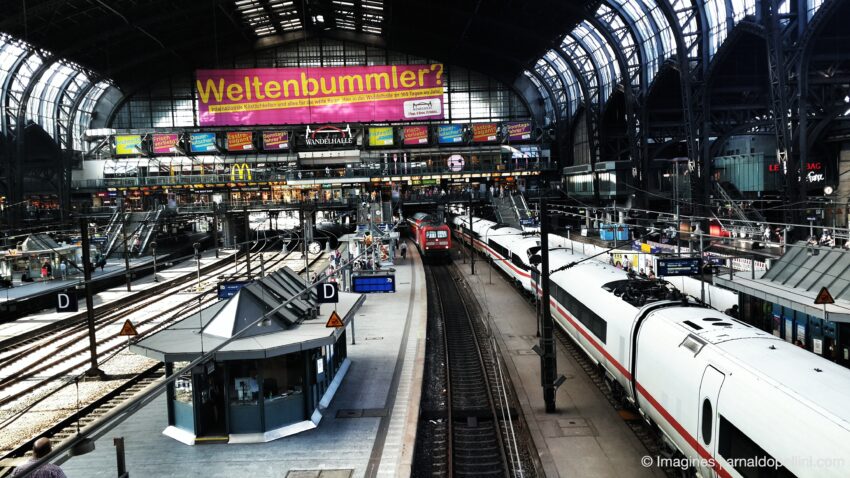
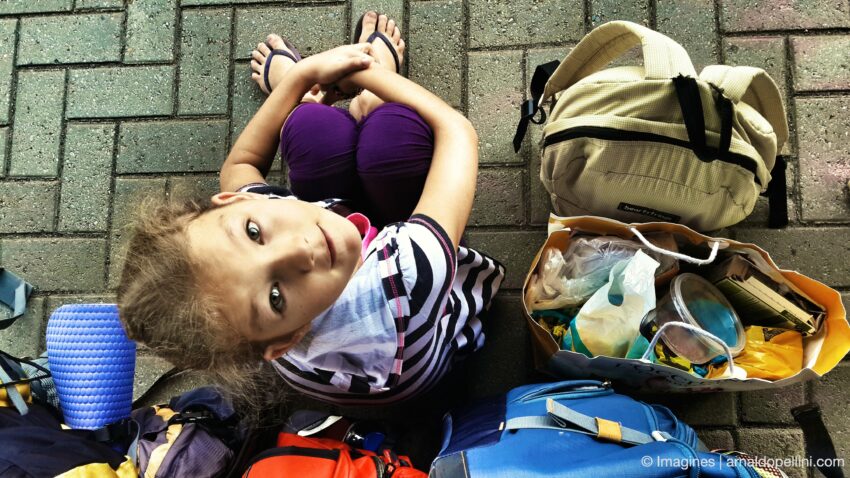
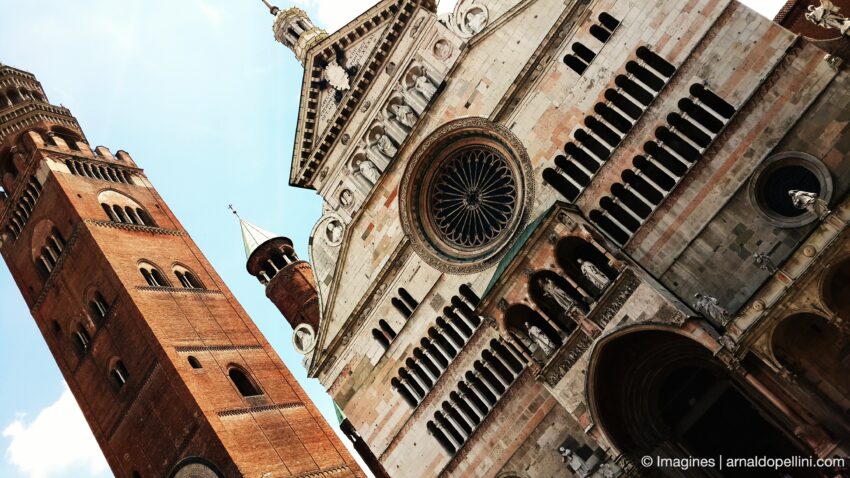
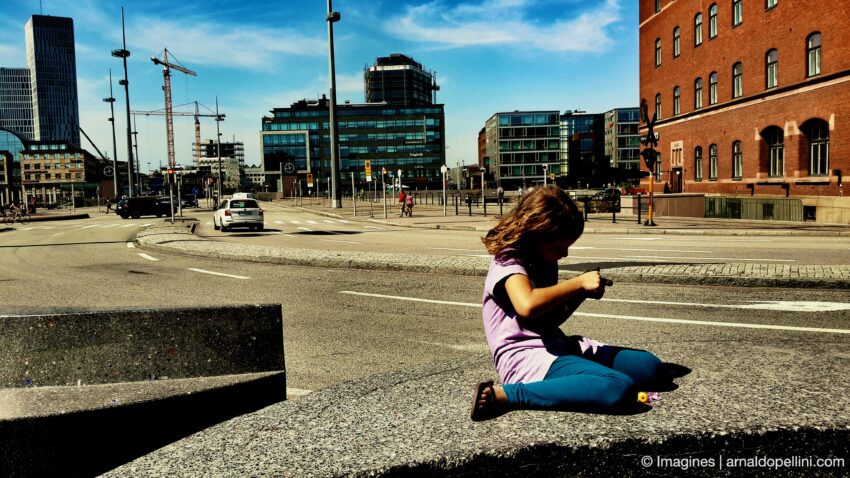
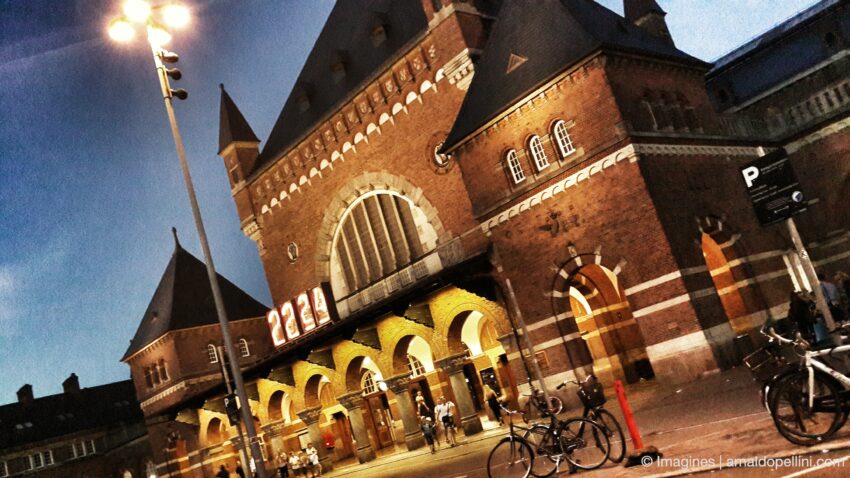
Today is my birthday and I wanted to make a present to myself by publishing 32 snapshots I took during the Inter Rail tip I did last July with my family. It is not true that Inter Rail can be done only when you are in your twenties Travelling by train again after a long time spent in Southeast Asia has been a bit like going back in time and re-discover how diverse, interesting, and full of surprises Europe is. Catching trains, booking youth hostels, packing the rucksack has been a great and fun way to travel with my family. I am now back in Jakarta ready for another interesting year living and working in Indonesia






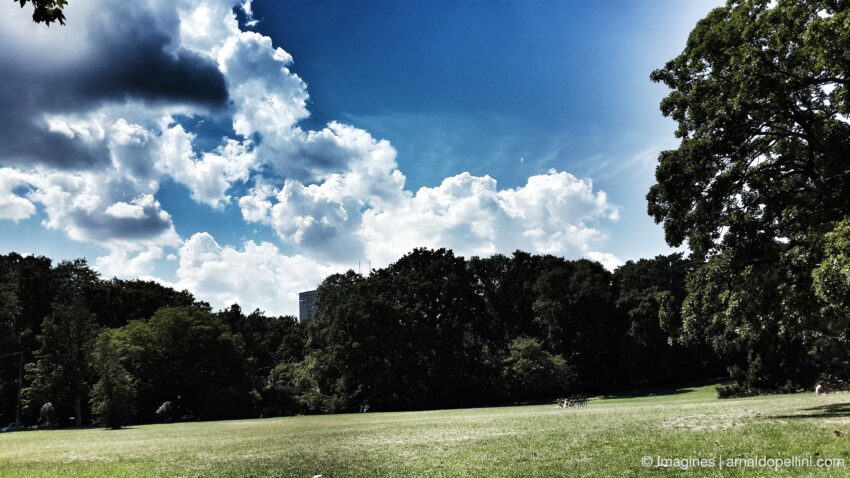
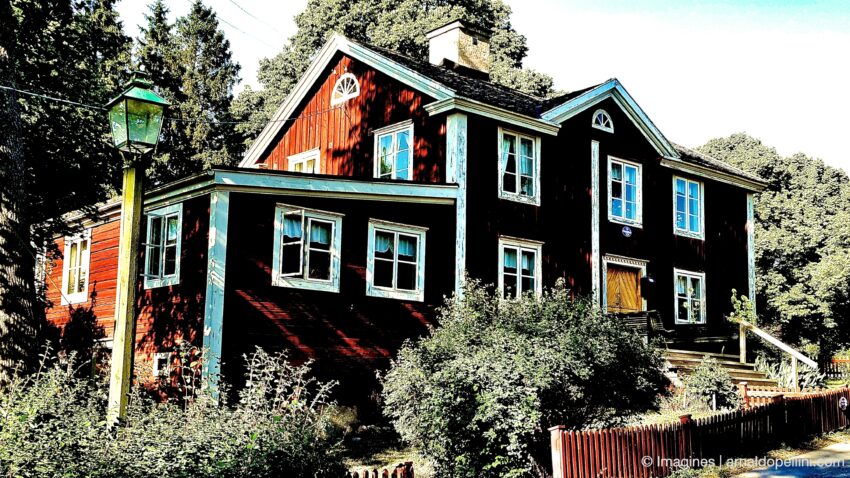
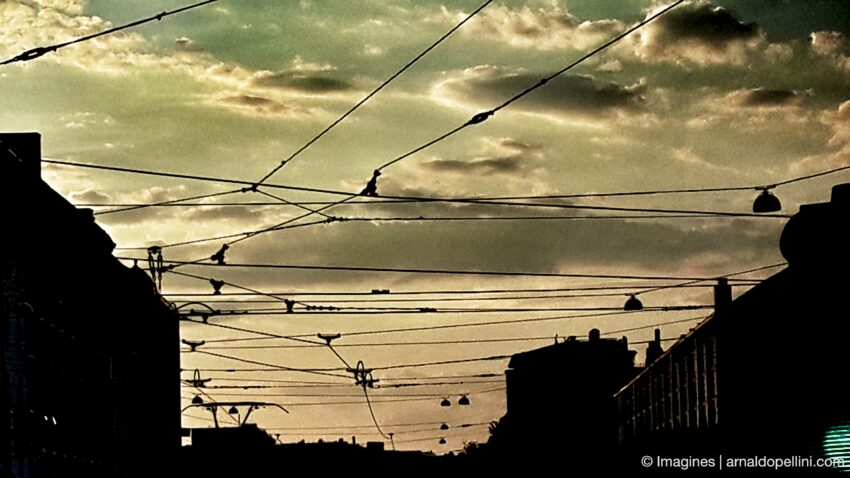
“We’re all a little weird and life’s a little weird. And when we find someone who’s weirdness is compatible with ours, we join up with them and fall in mutual weirdness and call it love.”
by Dr. Seuss
I’ve been ask a couple of times to share my work space, so here is a little post to show you how or better where I work and what things are important to me while working.
Since I spend a lot of time on my computer and work desk (my mum would say too much…) I try to make my work space as inspirational an comfortable as possible. So I love to have light colors and some creative things around me, like a notebook, inspirational design magazines, post cards and pictures and drawing materials (pencils, a notebook etc.).
My computer is a 15′ Mac Book Pro and I always use a laptop stand (this one is called Griffin Elevator and I take the stand even with my while traveling), since I find it sooo much more comfortable for my neck. I use a wireless mouse and keyboard and my headset also has to be close by, since I need music to concentrate, especially if I work on theme code.
A Wall of Inspirations — During our first trip to Japan last year (here are some pictures on Flickr) I picked up a lot of beautiful post cards and I just hung them up on the wall after coming home. In Japan we found so many beautiful inspirations for our work that the images always remind me of the time we spend strolling around Tokyo, Ōsaka and Kyōto, visiting art galleries, local little shops and cafés.
The big sea horse reminds me of our time in New Zealand staying for two month in a little cottage right on a remote beach in Northland (here are some pictures of our New Zealand trip in 2012). We picked up a stranded sea horse one time after a big storm and tried to save it. It was the first time I saw a living sea horse.
My favorite mug — I love to have a comforting hot drink while working, so my favorite mug is never far away from me. I try to drink green, chai or other herbal tea as much as I can and sometimes switch to coffee or matcha tea as a little highlight of the day.
Endless to-do lists — I have to admit that I love to write to-do lists and I always have some crazy looking list of stuff to do in my note book somewhere on my desk. And, yes, I actually use the lists and mark things of, but I think sticking to online lists like Trello (which I use for managing projects, too) would probably be more efficient. But somehow I love my messy hand-written to-do lists and it feels good to take a big marker and mark things of as done 🙂

When I was a kid we went on a family vacation to Tuscany, Italy each year. We never stayed in fancy hotel or took a flight back then. We would drive the whole way down from Germany in our old VW station wagon and stayed at a rustic farm house a friend of my parents owned.
For my sister and me this holiday was always a big adventure. We would explore the surrounding countryside with hundreds of olive trees and mysterious hide out places or play with the neighbors kids, whose parents had a huge pheasant farm next door and whose language we didn’t even understand.
Staying in this old Tuscan villa where we could run around all day and just do whatever we loved to do meant total freedom for us back then. I remember feeling like I was an adventurer or a pirate, anything, but definitely not just a little kid from a small town in the south of Germany.
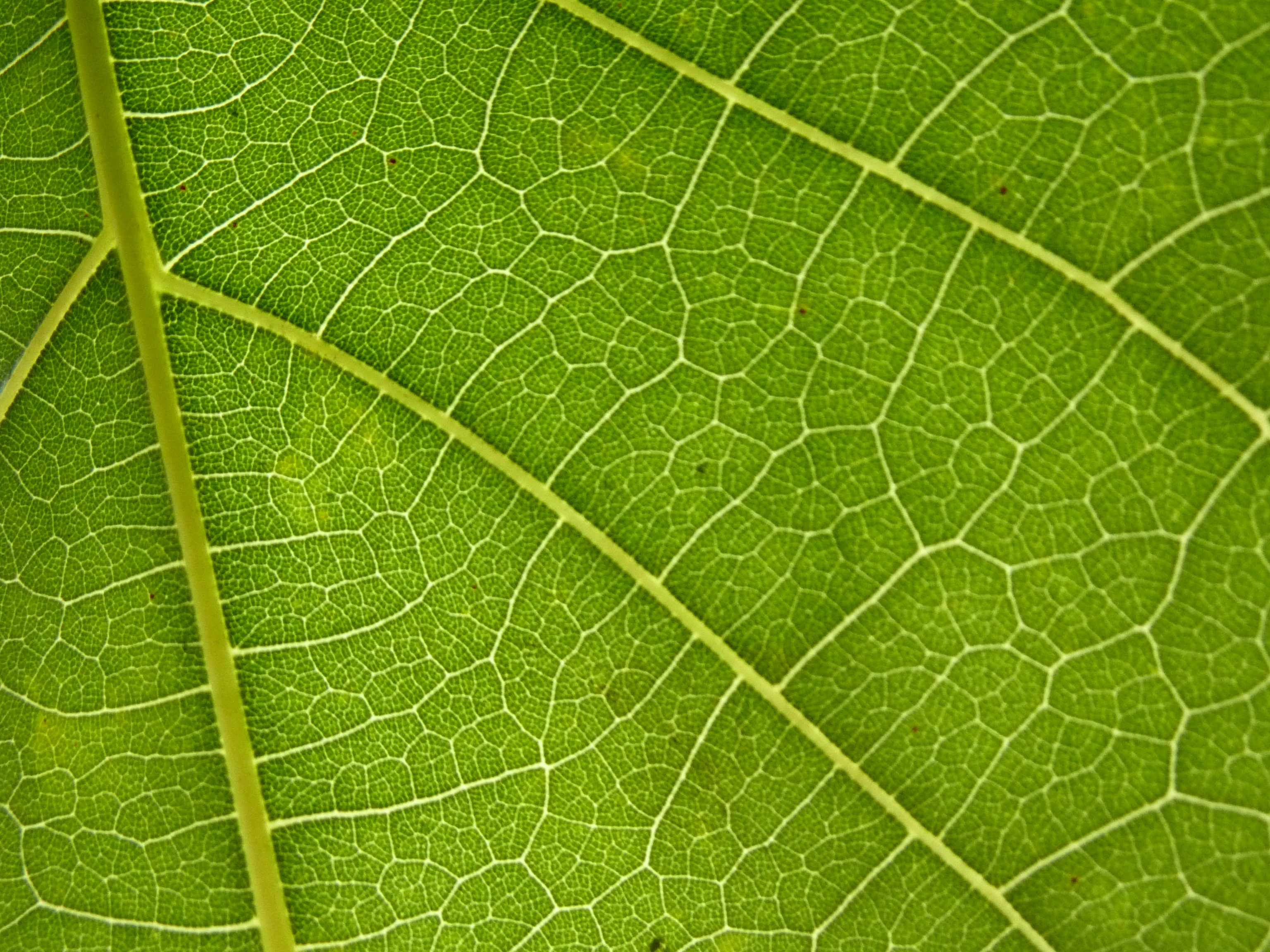
A papaya leave in our garden in Dumaguete (Philippines)
A papaya leave in our garden in Dumaguete (Philippines)
“When you set down the path to create art, whatever sort of art it is, understand that the path is neither short nor easy. That means you must determine if the route is worth the effort. If it’s not, dream bigger.”
by Seth Godin
Wat Langka in Phnom Penh