[As usual the English version is at the end of this post]
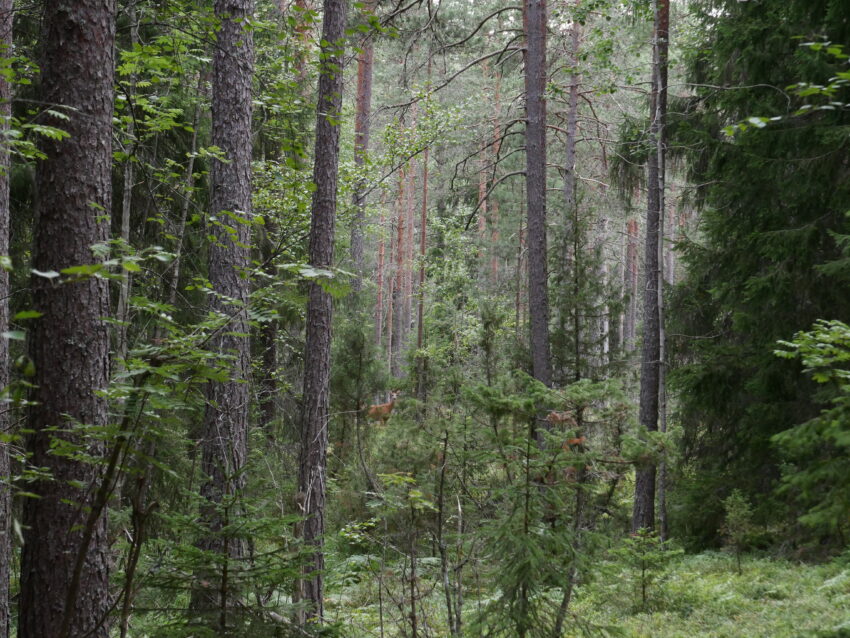
Sono rientrato a Tampere da qualche giorno. Ho passato la settimana scorsa in un hotel alle porte di Nuuksio, il parco nazionale vicino a Helsinki, per il corso con Nora Bateson per diventare host dei Warm Data Lab.
Eravamo una sessantina. La maggior parte dall’Europa, qualche americano, e alcuni venuti da lontano: Colombo, Singapore, Hanoi, Pechino. E di tutte le età: c’era chi aveva persino trent’anni meno di me, la maggior parte con dieci o quindici anni meno di me e chi ne aveva alcuni di più. Anche questo, credo, ha contribuito a fare della stanza quello che è stata.
Qualche giorno prima di partire avevo pensato che otto giorni in un hotel vicino a un parco nazionale sarebbero stati un po’ lunghi. Ricordo di averlo pensato proprio così, con quel tono lì.
Il ritmo
Il ritmo era questo. Colazione. Lezione. Pranzo. Warm Data Lab. Lezione. Sport o una camminata nel bosco. Cena. Sauna. Tuffo nel lago. A nanna.
E il giorno dopo di nuovo, uguale.
È stato quel ritmo a creare la base per tutto il resto: le conversazioni durante i Lab, le chiacchierate a tavola, il raccontare, il conoscerci. Non credo sia stato un caso. Otto giorni non sono lunghi: sono il tempo che ci vuole.
Eravamo solo il nostro nome
C’è una cosa che ho notato il primo giorno. Gli organizzatori ci hanno chiesto di scrivere il nostro nome su un pezzo di quello scotch di carta, con un pennarello colorato. Solo il nome. Eravamo solo il nostro nome.
Non ci è mai stato chiesto di presentarci agli altri alzandoci in piedi per dire chi siamo, da dove veniamo, cosa facciamo. Niente ruoli, niente organizzazioni, niente titoli. E non perché se ne fossero dimenticati: sarebbe stato in attrito con quello di cui il corso parlava. Il conoscerci è avvenuto a poco a poco, nelle pause, facendo sport, mangiando insieme. È lì che chiedevo e mi chiedevano da dove venivo, cosa faccio, da quanto tempo vivo in Finlandia. Poco per volta, in maniera spontanea.
Ci ho messo qualche giorno a capire cosa mi faceva. Sono trent’anni che nei workshop, nelle riunioni, nelle presentazioni alle conferenze mi presento — o vengo presentato — come quello che fa quel lavoro lì, per quell’organizzazione lì. È comodo, ti dà una posizione, ti mette in relazione con gli altri a partire da quel punto di vista. Ma è anche limitante e riduttivo.
Per otto giorni non è stato così. Mi presentavo per nome e poi bisognava andare avanti in qualche altro modo, e all’inizio non sapevo bene come. Non ho parlato con tutti, anche se credo di essermi presentato a tutti. Solo l’ultimo giorno ho sentito il cognome di qualcuno, quando ci siamo scambiati le mail per restare in contatto.
E quello che è venuto fuori al posto del ruolo ero io: con la mia parte italiana, quella tedesca e anche quella finlandese. Quando siamo solo il nostro nome siamo forse di più.
Le cose di contorno
E qui mi accorgo che sto descrivendo le cose di contorno. L’organizzazione, il ritmo, il posto, lo scotch di carta.
Lo faccio perché non so da dove partire. Parlare di Gregory Bateson? Di Nora Bateson? Del loro lavoro? Della definizione di Warm Data? Del Lab in sé? Oppure — cosa che mi riesce più difficile — dell’esperienza del corso?
Ho provato tre volte a scrivere il paragrafo che spiega cos’è un Warm Data Lab, e tre volte l’ho cancellato. Veniva fuori una cosa che potrebbe scrivere chiunque abbia letto il sito. E poi credo che il punto sia proprio quello: non è materiale che si trasmette spiegandolo. Se si potesse spiegare in un paragrafo non ci sarebbero voluti otto giorni.
Allora provo a fare un’altra cosa. Invece di spiegare cos’è, provo a raccontare cosa vedreste se apriste la porta ed entraste dentro un Lab.
Se apriste la porta
Vedreste delle persone sedute in gruppetti di tre o quattro, che parlano. Qualcuno parla, qualcuno ascolta. Qualcuno dice: ah sì, questo mi fa venire in mente quella volta che…
Al centro di ogni gruppo vedreste un foglio di carta con sopra scritta una parola sola. Educazione. Società. Politica. Economia. Tecnologia. Scienza. Ogni tanto qualcuno guarda il foglio e pensa a cosa dire.
Poi vedreste qualcuno alzarsi, girare per la stanza e scegliere un altro gruppo dove sedersi. Qualcuno resta fermo, ma la maggior parte si sposta. A volte una persona si siede da sola in un cerchio di sedie vuote, e dopo poco arriva qualcun altro e si mettono a raccontare.
Perché è questo che si fa, soprattutto: si raccontano storie. Storie che vengono fuori dalla parola scritta sul foglio e da una domanda che l’host ha dato a tutti all’inizio, dopo aver raccontato per primo una storia sua. La domanda è una sola, per tutti, e suona più o meno così: cos’è la casa in un mondo che cambia? Cos’è l’educazione in un mondo che cambia? Cos’è il rischio in un mondo che cambia?
Una domanda sola, e poi i gruppi che si muovono e si ricompongono, e quella domanda che viene messa in relazione con il contesto scritto sul foglio. Girando da un gruppo all’altro la stessa domanda ti arriva ogni volta da un’angolatura diversa: diversa per il contesto, e diversa per le storie che le persone portano — che sono a loro volta contesti, e più di uno, perché noi siamo le storie che raccontiamo.
Tutto questo dura circa un paio d’ore, dall’introduzione iniziale fino alla sintesi finale, quando ci si ritrova di nuovo tutti insieme.
Ecco, se entraste in un Lab vedreste questo. Delle persone sedute che si raccontano delle storie. Non sembra granché, detto così. Ma sotto c’è un metodo, e una ricerca che viene da lontano: principi e concetti legati ai sistemi, alla complessità, alla comunicazione, all’ecologia. Il Lab ha radici profonde.
Il quarto giorno
Il giorno più difficile è stato il quarto, quando Nora ha parlato del rischio. Del rischio come parte dei sistemi, del rischio nel cambiare, del rischio di fallire, di come i sistemi sociali e naturali smettono di essere tali. A un certo punto ha detto che il rischio più grande è non correrne nessuno.
Non me l’aspettavo, ma quelle parole mi hanno toccato in un punto che non avevo messo in conto. Non per ragioni teoriche. Il rischio, per come l’ho conosciuto io, ha a che fare con cose precise della mia vita, e in quel momento sono tornate su tutte insieme.
Credo sia successo perché quella stanza l’aveva reso possibile. Dopo tre giorni di Lab, di storie ascoltate e raccontate, si era aperto uno spazio in cui certe cose potevano arrivare. Ero vulnerabile a quelle parole, ma in un certo senso ero anche pronto: pronto a sentire quel dolore e quello che si porta dietro, su piani diversi.
Non credo che Nora avesse torto. Credo che certe frasi, dette a sessanta persone insieme, arrivino a ciascuno in un punto diverso, e che nessuno possa saperlo in anticipo — né chi le dice, né chi le ascolta. Anche questo, se ci penso, è warm data.
Com’è stato?
Poi martedì il corso è finito. Le valigie, il taxi, il treno verso Tampere con Katja e due compagne del corso.
Mercoledì, il giorno dopo il rientro, ho avuto due call con due colleghe, una a Singapore e una a Islamabad. Tutte e due mi hanno chiesto la stessa cosa: com’è stato? Com’era? Racconta.
Allo stesso tempo io avevo proprio bisogno di raccontare. Credo sia successo ad altri in quei giorni, questa cosa di scoppiare dalla voglia di spiegare e parlarne a qualcuno. Quello che avevo ascoltato, le persone che avevo incontrato, e quella specie di legame che si era formato giorno dopo giorno senza che nessuno l’avesse annunciato.
Solo che appena ho cominciato a parlare mi sono accorto che le parole non ci arrivavano. Saltavo di qua e di là — learning, sistemi, complessità, le storie dei Lab — seguendo delle immagini che nella mia testa non seguivano affatto l’ordine degli otto giorni, ma andavano da un giorno all’altro collegando quasi a caso idee, pensieri e immagini, con un nesso che non è lineare e che segue altre tracce, più misteriose, del nostro io e della nostra mente.
Le mie colleghe sono state gentili. Ma non credo di aver detto niente di quello che volevo dire.
Una tazza di caffè
Una di queste immagini è un’intervista, in un documentario su Gregory Bateson che abbiamo guardato insieme. Parla con l’intervistatrice — che credo sia Nora — e le dice: la vedi questa tazza di caffè? Noi sappiamo che la tazza che vedo io è diversa da quella che vedi tu. Il colore, la forma, la tonalità. Magari differenze piccolissime, sottili, ma pur sempre differenze. Quindi siamo d’accordo che ci sono delle differenze, ma siamo anche d’accordo che è una tazza. Bene. E non solo questo: io sono anche interessato ad apprendere da te come la vedi tu.
E poi conclude: quanti problemi al mondo sarebbero risolti se questa fosse l’impostazione fra gli esseri umani. Il pensiero, il rispetto e l’umiltà di ammettere che non sappiamo, e che l’apprendimento avviene quando notiamo un angolo e un punto di vista diverso dal nostro. Quel notare la differenza è l’apprendimento, ed è quello che informa le nostre decisioni e il nostro comportamento.
Sembra ovvio, vero? Ma non lo è.
Quello che rimane
Sono grato per quegli otto giorni, e per le persone che ho incontrato.
E sono tornato a casa con un’energia che non mi aspettavo, e con la sensazione che vada usata. Voglio parlarne con i colleghi, con gli amici, in famiglia. E voglio capire se il Warm Data possa diventare qualcosa che faccio da qualche parte — magari in Italia, o qui a Tampere, che è una città in cui dopo tanti anni non sono ancora del tutto entrato. Ma questo è un altro discorso.
Intanto lascio depositare, e fra un mese scriverò un nuovo post per vedere cosa è rimasto e cosa ho imparato.
—-
Eight days in Nuuksio, and Warm Data
I got back to Tampere a few days ago. I spent last week in a hotel at the edge of Nuuksio, the national park near Helsinki, on the course with Nora Bateson to become a Warm Data Lab host.
There were about sixty of us. Mostly from Europe, a few Americans, and some who had come a long way: Colombo, Singapore, Hanoi, Beijing. And of all ages: some even thirty years younger than me, most ten / fifteen years younger than me and some a little bit older than me. That too, I think, was part of what made the room what it was.
A few days before leaving I had thought that eight days in a hotel next to a national park might be a bit long. I remember thinking it exactly like that, in that tone.
The rhythm
The rhythm was this. Breakfast. Class. Lunch. Warm Data Lab. Class. Sport, or a walk in the woods. Dinner. Sauna. A dive into the lake. Bed.
And the next day again, the same.
It was that rhythm that made everything else possible: the conversations during the Labs, the talk around the table, the telling, the getting to know each other. I don’t think that was an accident. Eight days aren’t long — they’re how long it takes.
We were only our names
There’s something I noticed on the first day. The organisers asked us to write our name on a piece of that paper masking tape, with a coloured marker. Just the name. We were only our names.
Nobody ever asked us to stand up and introduce ourselves to the others: who we are, where we come from, what we do. No roles, no organisations, no titles. And not because they had forgotten: it would have been at odds with what the course was about. Getting to know each other happened slowly, in the breaks, doing sport, eating together. That’s where I asked and was asked where I came from, what I do, how long I’ve lived in Finland. Bit by bit, and of its own accord.
It took me a few days to work out what that was doing to me. For thirty years, in workshops, in meetings, in conference presentations, I have introduced myself — or been introduced — as the one who does that particular job, for that particular organisation. It’s convenient. It gives you a position, and it puts you in relation to other people from that point of view. But it’s also limiting, and reductive.
For eight days it wasn’t like that. I introduced myself by name and then we had to go on somehow else, and at first I wasn’t sure how. I didn’t speak to everyone, though I think I introduced myself to everyone. It was only on the last day that I heard anyone’s surname, when we exchanged emails to stay in touch.
And what came out in place of the role was me: with my Italian part, my German part, and the Finnish one too. When we are only our names, perhaps we are more.
The things around the edges
And here I notice that I’m describing the things around the edges. The organisation, the rhythm, the place, the paper tape.
I’m doing it because I don’t know where to start. Talk about Gregory Bateson? About Nora Bateson? About their work? About the definition of Warm Data? About the Lab itself? Or — the one I find hardest — about what the course was like?
Three times I tried to write the paragraph that explains what a Warm Data Lab is, and three times I deleted it. What came out was something anyone who had read the website could have written. And then I think that’s exactly the point: it isn’t material that transmits by being explained. If you could explain it in a paragraph it wouldn’t have taken eight days.
So let me try something else. Instead of explaining what it is, let me describe what you would see if you opened the door and walked into a Lab.
If you opened the door
You would see people sitting in little groups of three or four, talking. Someone talking, someone listening. Someone saying: oh yes, that reminds me of the time when…
In the middle of each group you would see a sheet of paper with a single word written on it. Education. Society. Politics. Economy. Technology. Science. Every so often someone glances at the sheet and thinks about what to say.
Then you would see someone get up, wander across the room and choose another group to sit down with. Some stay where they are, but most move. Sometimes a person sits alone in a circle of empty chairs, and after a little while someone else arrives and they start telling each other things.
Because this is mostly what you do: you tell each other stories. Stories that come out of the word written on the sheet, and out of a question the host gave everyone at the start, after telling a story of their own first. There is only one question, the same for everyone, and it sounds more or less like this: what is home in a changing world? What is education in a changing world? What is risk in a changing world?
One question, and then the groups moving and re-forming, and that question set against the context written on the sheet. Moving from one group to another, the same question reaches you each time from a different angle: different because of the context, and different because of the stories people bring — which are themselves contexts, and more than one, because we are the stories we tell.
All of this lasts about two hours, from the initial introduction to the final synthesis, when everyone comes back together again.
That’s it — if you walked into a Lab, that’s what you would see. People sitting and telling each other stories. Doesn’t sound like much, put that way. But underneath there is a method, and research that comes from a long way back: principles and concepts to do with systems, complexity, communication, ecology. The Lab has deep roots.
The fourth day
The hardest day was the fourth, when Nora spoke about risk. Risk as part of systems, the risk in changing, the risk of failing, the way social and natural systems stop being what they were. At one point she said that the greatest risk is to take none.
I hadn’t expected it, but those words touched me somewhere I hadn’t accounted for. Not for theoretical reasons. Risk, as I have known it, has to do with particular things in my life, and in that moment they all came back at once.
I think it happened because that room had made it possible. After three days of Labs, of stories heard and told, a space had opened where certain things could arrive. I was vulnerable to those words, but in a way I was also ready: ready to feel that pain and what comes with it, on different levels.
I don’t think Nora was wrong. I think certain sentences, said to sixty people at once, land in a different place in each of them, and that nobody can know that in advance — neither the person saying them nor the person hearing them. That too, if I think about it, is warm data.
How was it?
Then on Tuesday the course ended. The suitcases, the taxi, the train back to Tampere with Katja and two others from the course.
On Wednesday, the day after we got home, I had two calls with two colleagues, one in Singapore and one in Islamabad. Both asked me the same thing: how was it? What was it like? Tell me.
And at the same time I badly needed to tell it. I think that happened to others in those days too, this business of being ready to burst with wanting to explain it to someone. What I had heard, the people I had met, and that kind of bond that had formed day after day without anyone announcing it.
Except that as soon as I started talking I realised the words weren’t reaching. I jumped around — learning, systems, complexity, the stories from the Labs — following images that in my head followed no order at all, going from one day to another and linking ideas, thoughts and images almost at random, with a connection that isn’t linear and that follows other, more mysterious traces of ourselves and of our minds.
My colleagues were kind. But I don’t think I said any of what I wanted to say.
A coffee cup
One of those images is an interview, in a documentary about Gregory Bateson that we watched together. He is talking with the interviewer — who I think is Nora — and he says to her: do you see this coffee cup? We know that the cup I see is different from the cup you see. The colour, the shape, the shade. Perhaps tiny differences, very subtle ones, but differences all the same. So we agree that there are differences, and we also agree that it is a cup. Good. And not only that: I am also interested in learning from you how you see it.
And then he concludes: how many of the world’s problems would be solved if this were the setting between human beings. The thought, the respect, and the humility of admitting that we don’t know, and that learning happens when we notice an angle and a point of view different from our own. That noticing of the difference is the learning, and it is what informs our decisions and our behaviour.
Sounds obvious, doesn’t it? It isn’t.
What stays
I’m grateful for those eight days, and for the people I met.
And I came home with an energy I wasn’t expecting, and with the sense that it should be used. I want to talk about it with colleagues, with friends, at home. And I want to work out whether Warm Data could become something I do somewhere — maybe in Italy, or here in Tampere, a city I still haven’t quite got into after all these years. But that’s another story.
For now I’ll let it settle, and in a month I’ll write another post to see what has stayed and what I have learned.
Many thanks, Arnaldo, for sharing your thoughts. Some experiences and reflections stay with us for the rest of our lives, and I truly felt that in your piece.
Learning about Warm Data was particularly insightful, but beyond the content, I really enjoyed the way you wrote it—it is so engaging and captivating. It is a pleasure to read the depth and thought behind it. Looking forward to hearing more about Warm Data as you continue to reflect on it and put it into practice in your work
Thank you for sharing!!